

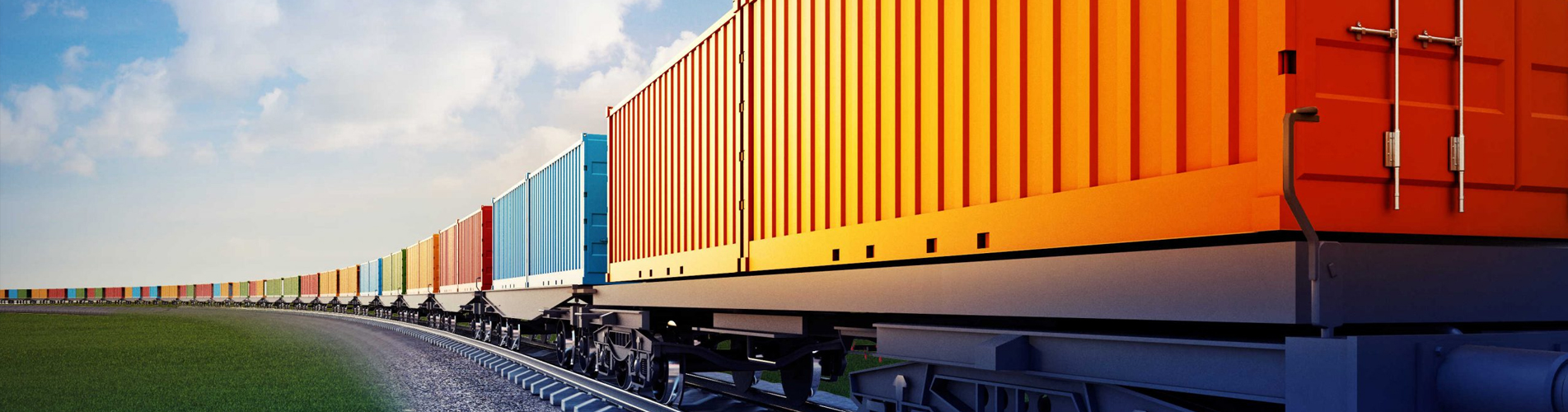
The core difference between logistics and distribution is that logistics is the overarching framework of planning, moving, and storing goods, while distribution is the tactical execution of delivering the right products to the right endpoints. Many use the terms interchangeably, but mastering their distinct roles—and, more importantly, their integration—is key to building a resilient, efficient, and customer-centric supply chain.
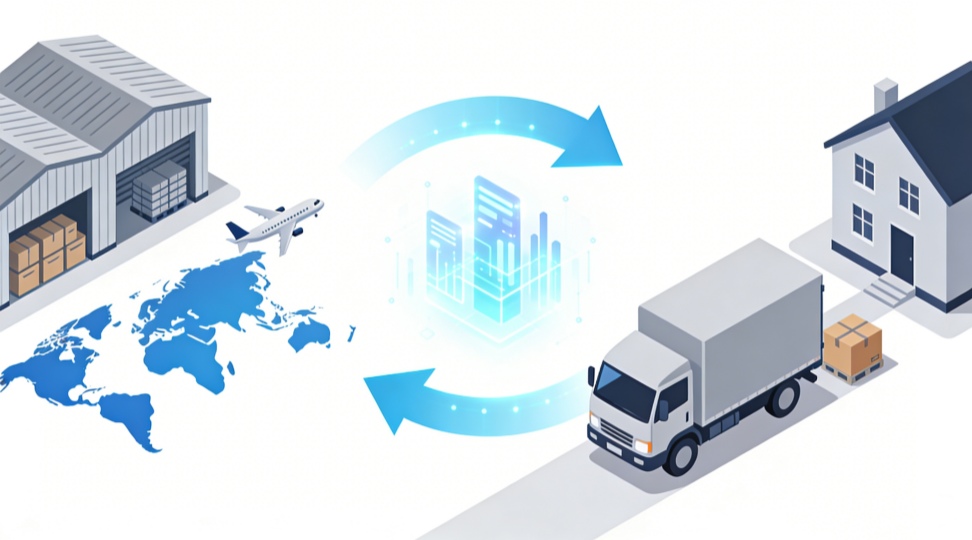
Logistics is the strategic backbone of your supply chain. It encompasses the end-to-end process of planning, implementing, and controlling the efficient flow and storage of goods, services, and related information. Think of logistics as the master planner, ensuring all pieces of the puzzle fit together cost-effectively and reliably.
Key Activities of Logistics:
Transportation Management: Strategically selecting modes (road, sea, air, rail), managing carriers, and optimizing routes for both inbound (supplier to warehouse) and outbound (warehouse to customer) movement.
Warehousing & Inventory Control: Determining storage locations, managing warehouse operations, and implementing inventory strategies (like Just-in-Time) to balance stock levels with demand.
Order Fulfillment: Designing the process from order receipt to dispatch, including picking, packing, and preparing goods for shipment.
Reverse Logistics: The critical but often overlooked process of handling returns, repairs, recycling, and disposals—a vital component for customer satisfaction and sustainability.
Distribution is the final, customer-facing arm of the supply chain. It focuses specifically on ensuring products move efficiently from the production or storage point to the end-user, whether a retail store or a direct consumer. Distribution is about market reach and accessibility.
Key Activities of Distribution:
Channel Management: Choosing and managing the paths to market (e.g., direct-to-consumer, wholesalers, retailers, online marketplaces).
Last-Mile Delivery: Executing the final, most critical (and often most expensive) leg of the journey to the customer's doorstep.
Network Design: Strategically placing distribution centers, fulfillment hubs, and retail locations to maximize speed and minimize delivery cost.
Customer Service & Support: Providing tracking, handling delivery inquiries, and managing the post-delivery experience.
This table clarifies their distinct focuses:
| Feature | Logistics | Distribution |
|---|---|---|
| Core Focus | Efficiency, Cost Control, and Reliability of the entire flow. | Availability, Speed, and Customer Experience of final delivery. |
| Primary Goal | Get goods from Point A to Point B in the right condition, at the right cost. | Get the right product to the right customer at the right time. |
| Scope | Broad & Internal. Manages the entire movement cycle, including inbound and reverse flows. | Narrower & External. Focuses on the outbound flow to endpoints (customers/channels). |
| Key Metric | Total landed cost, perfect order rate, and inventory turnover. | On-time in-full (OTIF) delivery, order accuracy, and last-mile cost per parcel. |
Treating logistics and distribution as separate silos creates inefficiency. True competitive advantage comes from their seamless integration.
Poor Logistics cripples Distribution: Inaccurate inventory data leads to stockouts, causing distribution channels to fail and sales to be lost.
Poor Distribution wastes Logistics Efforts: A beautifully planned logistics network is wasted if the last-mile partner consistently damages packages or misses delivery windows, hurting your brand.
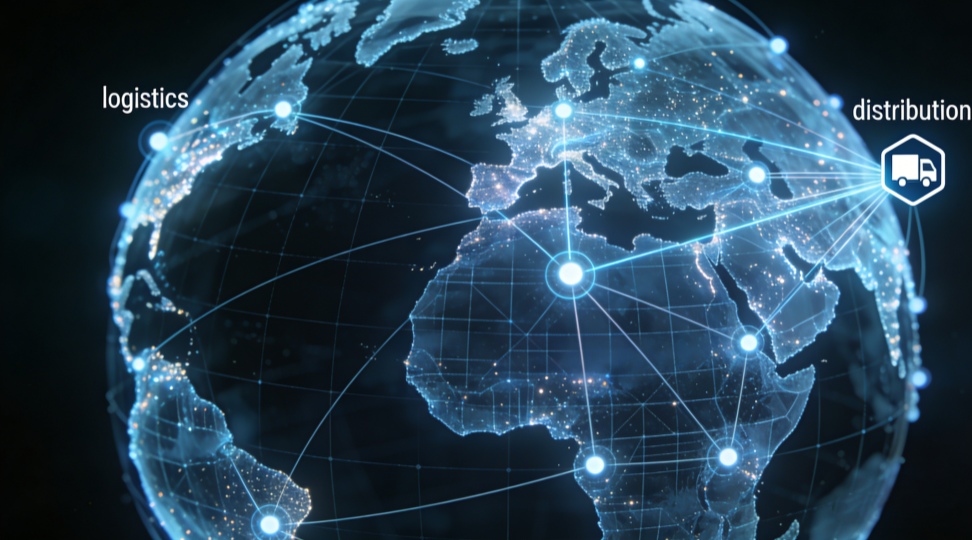
The Synergy Effect: Integrated planning allows for Demand-Driven Fulfillment. Logistics data (like real-time inventory across all warehouses) informs distribution decisions (like which fulfillment center should ship an order for the fastest, cheapest delivery), dramatically improving customer satisfaction.
Implement a cloud-based Transportation Management System (TMS) or a unified Supply Chain Management (SCM) platform. These systems break down silos by giving both logistics and distribution teams visibility into the same real-time data: inventory levels, in-transit shipments, and order status. This is foundational for advanced strategies like distributed inventory.
Move from a centralized warehouse model to a network of regional fulfillment centers. This distribution strategy is enabled by smart logistics planning. By placing inventory closer to high-density customer pools, you drastically reduce last-mile distance, cost, and time—turning a logistics cost center into a distribution advantage.
A specialized Third-Party Logistics (3PL) provider can be a force multiplier. A strong 3PL acts as an extension of your team, integrating logistics expertise (warehousing, freight) with distribution execution (fulfillment, last-mile). This allows you to scale rapidly without massive capital investment. When choosing a 3PL, assess their technology integration capabilities as critically as their warehouse locations.
Go beyond basic tracking. Use analytics to:
Predict Demand: Forecast seasonal spikes to pre-position inventory (logistics) in optimal distribution centers.
Optimize Routes Dynamically: Use AI-powered tools to adjust delivery routes in real-time based on traffic, weather, and customer availability, slashing last-mile costs.
Analyze Returns (Reverse Logistics): Identify common reasons for returns to address product or packaging issues, improving future distribution cycles.
Logistics and distribution are not interchangeable terms—they are interdependent functions. Logistics is the strategic framework that makes efficient distribution possible, while distribution is the tactical execution that delivers on the brand promise to the customer.
Businesses that succeed in the modern marketplace are those that stop viewing these functions in isolation. By integrating logistics planning with distribution execution through technology, data, and strategic partnerships, you transform your supply chain from a mere cost center into a verifiable source of competitive advantage, customer loyalty, and sustainable growth.
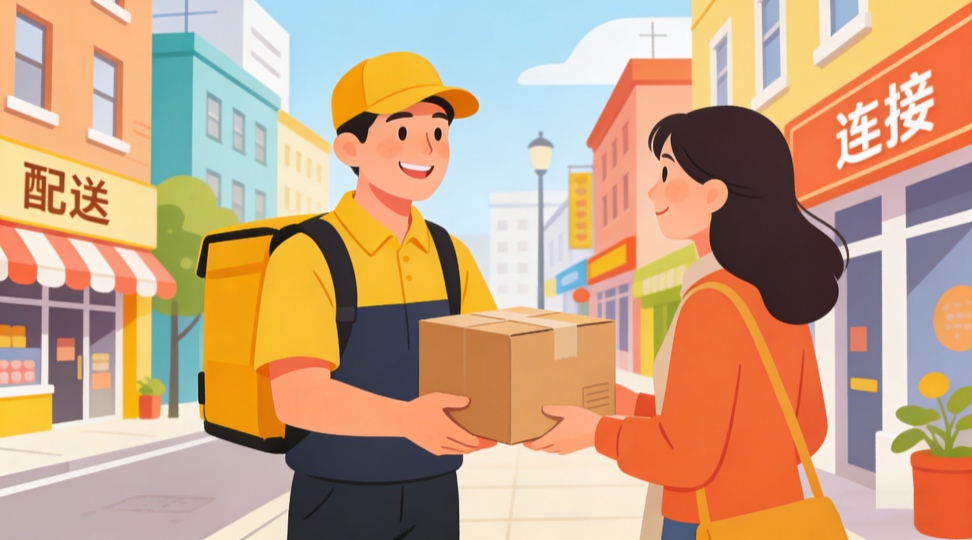
Ready to transform your supply chain from a cost center into a growth engine? A seamless integration of logistics and distribution is the key. Contact our experts today for a free, personalized supply chain assessment and discover how to optimize your operations for speed, efficiency, and unmatched customer satisfaction.

 IPv6 network supported