

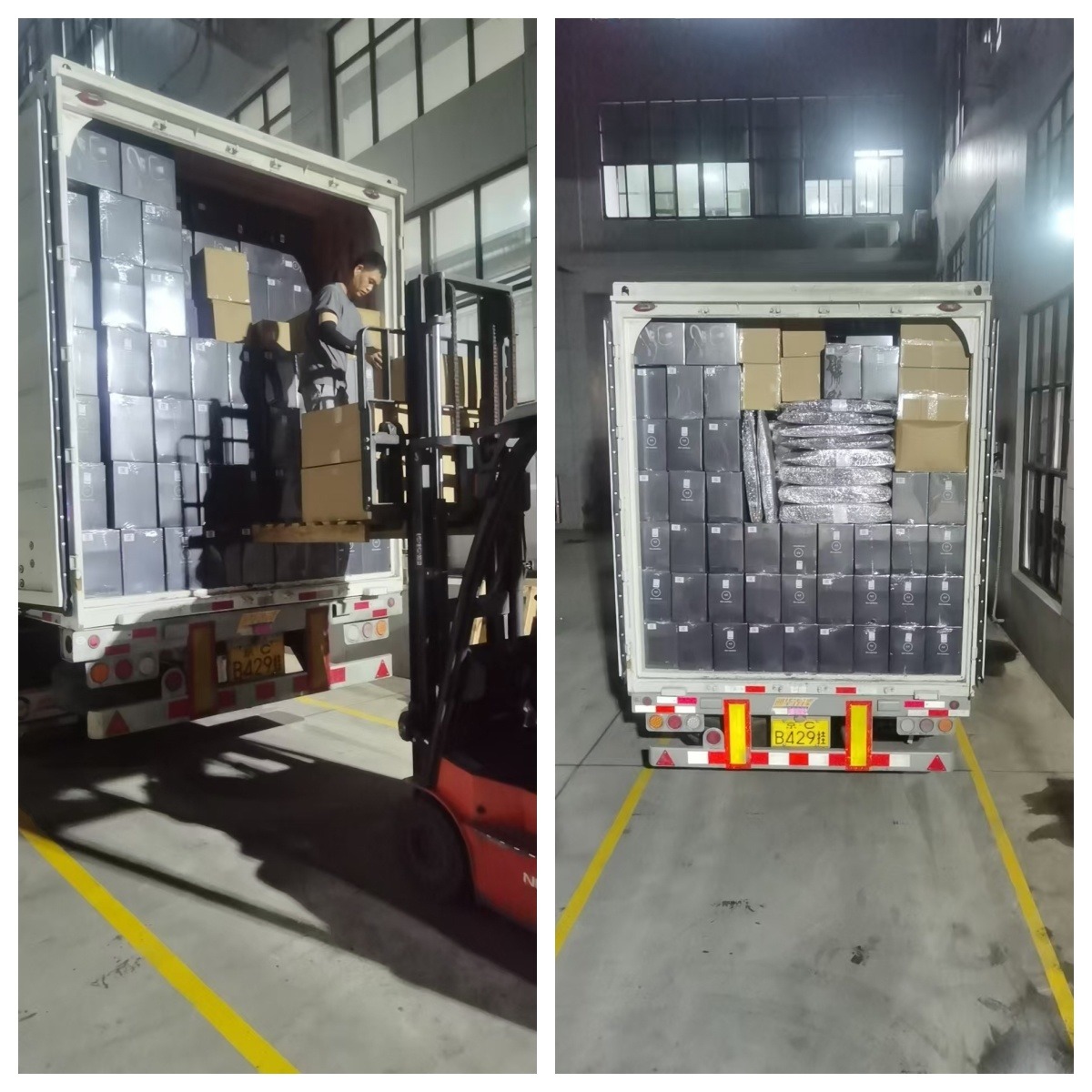
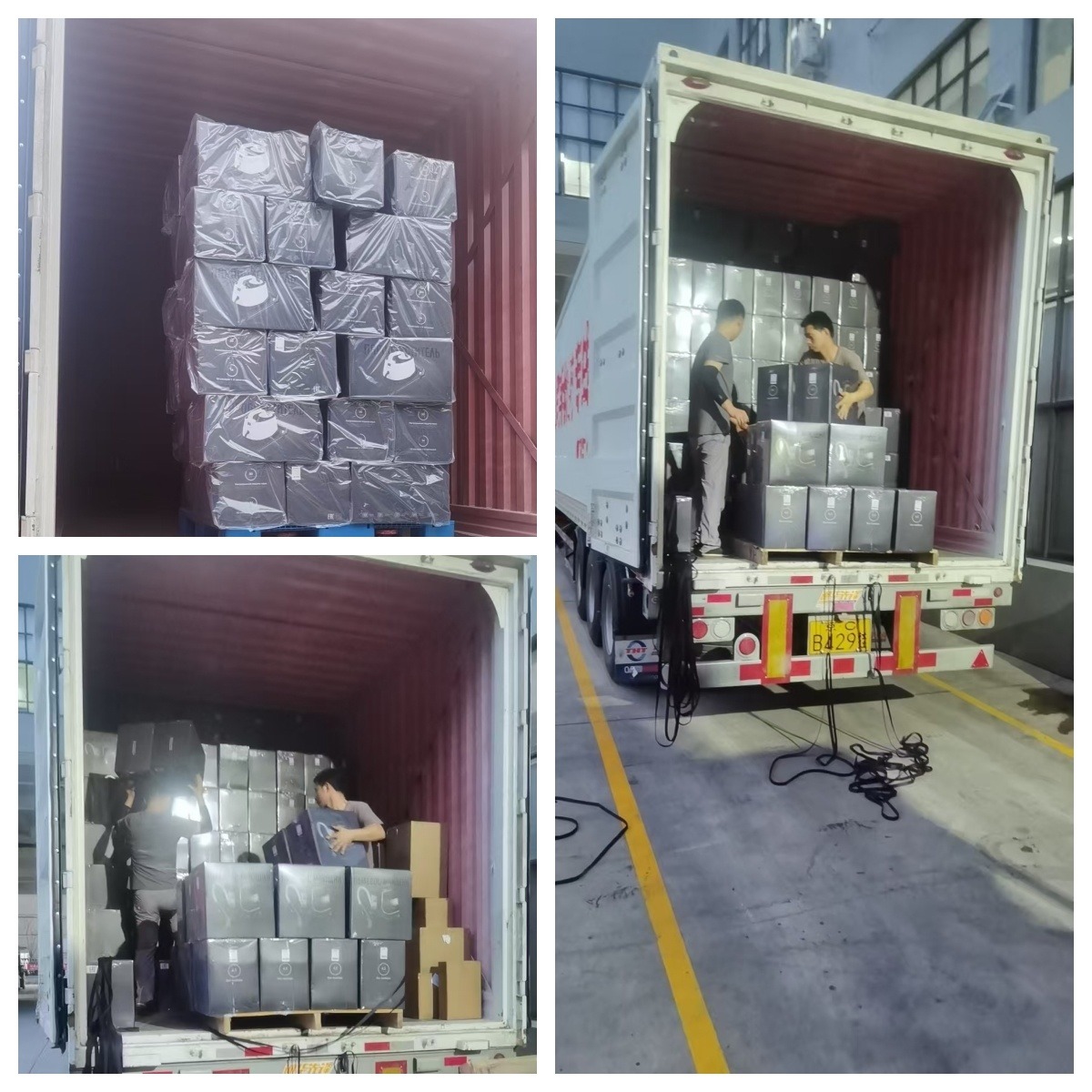
Last month, we moved a full truckload of vacuum cleaners and steam cleaners from a factory in Suzhou to a warehouse just outside Moscow. Ten days. One customs stop. Not a single box crushed, not a single unit damaged.
The client sells home appliances online and through retail partners in Russia. They had a promotion coming up. The stock had to be on shelves by a specific date. They called us because their usual rail option was going to take three weeks, and air freight was out of the question for heavy cartons full of motors and water tanks.
We recommended TIR Road Freight China to Moscow. Here's exactly how that shipment went, and why this approach works especially well for household electronics like vacuum cleaners and steam mops.
If you import small electronics or kitchen gadgets, you already know the anxiety. You pack everything perfectly at the factory. Then the cargo spends weeks bouncing across borders, getting opened and closed by different customs teams, loaded and unloaded by different forklift drivers.
Vacuum cleaners have motors inside. Steam cleaners have pumps and seals. These things don't like vibration. They really don't like getting jostled at three different border crossings. And the worst part? The damage often hides until the customer plugs it in and nothing happens. Then you're dealing with returns, refunds, and a bruised reputation.
Traditional trucking to Russia adds to the headache because the trailer gets opened at the Chinese exit border, sometimes again in Kazakhstan or Mongolia, and definitely again when entering Russia. Every opening is a chance for something to go wrong.
For this shipment, we used a TIR-certified truck. Here's what that actually means for the person shipping appliances.
We loaded the pallets at the factory. Chinese customs came, checked the paperwork, inspected the cargo, and put a customs seal on the trailer door. That was it. The only inspection of the whole journey.
The truck drove north, crossed into Russia at Manzhouli, and kept going straight to the Moscow warehouse. Russian border officers looked at the seal, looked at the TIR carnet, and waved the truck through. Nobody opened the doors. Nobody touched the boxes.
Ten days after pickup, the warehouse team in Moscow broke the seal and unloaded the pallets. The packaging looked exactly like it did in Suzhou. The client's promotion launched on time.
If you're moving vacuum cleaners, air purifiers, steam mops, coffee machines, or any other plug-in household device from China to Russia, this method solves three problems at once.
First, the damage problem disappears. Less handling equals less risk. It's that simple. The cargo gets touched twice: once at pickup, once at delivery.
Second, the schedule becomes predictable. Rail takes 20 to 25 days on a good run. Sea freight takes over a month. TIR road freight from eastern China to Moscow takes 8 to 12 days, and because there are no train schedules or port congestion to worry about, you can plan warehouse staffing and marketing campaigns with confidence.
Third, the cost stays reasonable. Air freight for a full truck of vacuum cleaners is a non-starter. The math doesn't work. TIR gives you near-air speed for a fraction of the price. The freight bill is higher than rail, yes, but you save on inventory carrying costs, reduce damage claims, and never miss a sales window.
TIR isn't the answer for everything. If you're shipping low-value bulk goods and timing doesn't matter, rail or sea will be cheaper. But if you deal in branded appliances, electronics, or any consumer-ready product where condition and arrival date matter, the premium for TIR pays for itself quickly.
We move a lot of this kind of freight: vacuum cleaners, garment steamers, robot vacuums, cordless stick vacuums, carpet cleaners, and similar home care devices. These products share a few traits. They're moderately heavy. They have internal components that don't love rough handling. They're sold to customers who expect them to work out of the box. And they're often tied to promotions or seasonal demand spikes.
For this kind of cargo, a sealed truck that crosses borders in hours instead of days is not a luxury. It's the right tool for the job.
Do I need special documents for appliances going to Russia?
Yes. Russian customs wants to see EAC certification for electrical goods. This proves the product meets Eurasian safety standards. If you're unsure whether your paperwork is complete, we check it before the truck ever leaves China. That alone can save days at the border.
What if I don't have a full truckload?
You don't need one. We run consolidated TIR services where multiple shippers share a truck. You pay for the space you use. The same sealed, no-handling rules apply to your pallets.
Can I track the truck while it's moving?
Yes. You get GPS tracking and updates at the key points: when the truck leaves the factory, when it crosses the border, and when it's a day out from delivery. No mystery. No wondering where your stock is.
How much does TIR shipping to Russia cost for a full truck of appliances?
Rates move with fuel and season, but for a 13.6-meter truck from eastern China to Moscow, you're generally looking at the mid-$7,000 to high-$8,000 range. We can give you an exact quote once we have the pickup city and destination.
The vacuum cleaner shipment arrived in ten days. One seal. One inspection. Zero drama.
If you're tired of rail delays, anxious about air freight costs, or just want your appliances to arrive in the same condition they left the factory, TIR road freight from China to Russia is worth a serious look.
DR Trans handles appliance shipping to Russia every week. We know the border crossings, we know the paperwork, and we know how to keep a sealed trailer moving. If you've got a shipment coming up and want to talk through the options, reach out. We'll give you a straight answer on timing, cost, and the best route for your cargo.

 IPv6 network supported